Who we help  /  Hotels and resorts
For hotels and resorts

Is your beach getting smaller every season?

Your beach is part of your room rate. CCell designs reefs that calm the waves and help sand build back up, so your guests keep the beach they booked.

Free, no obligationResults in a few daysBuilt for your stretch of coast
What a shrinking beach costs

Guests notice before the accounts do

Erosion is gradual, then sudden. A storm season can take away metres of sand, and with it the thing your guests travelled for.

1

Less beach to sell

Fewer sunbeds, crowded frontage and beach weddings or events that no longer fit.

2

Rougher, less safe water

Bigger waves reaching the shore mean fewer swimmers, more red flags and more guest complaints.

3

Reviews and rates slip

When the beach no longer matches the photos, it shows in reviews, then in occupancy and room rates.

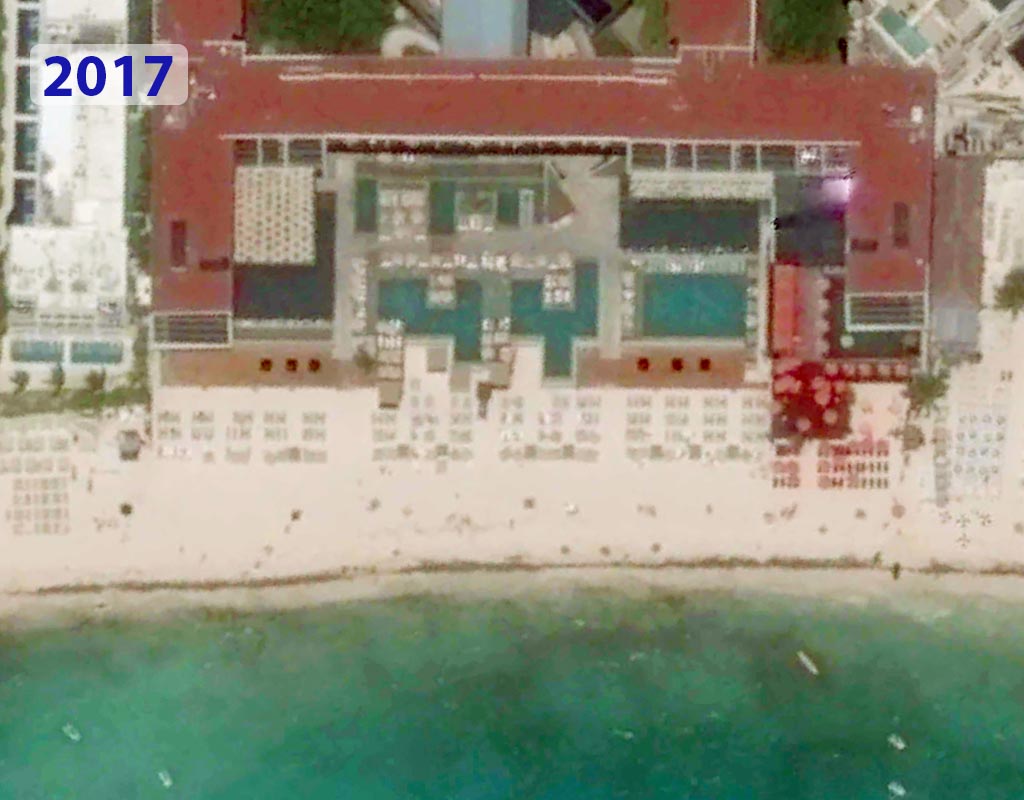
2017
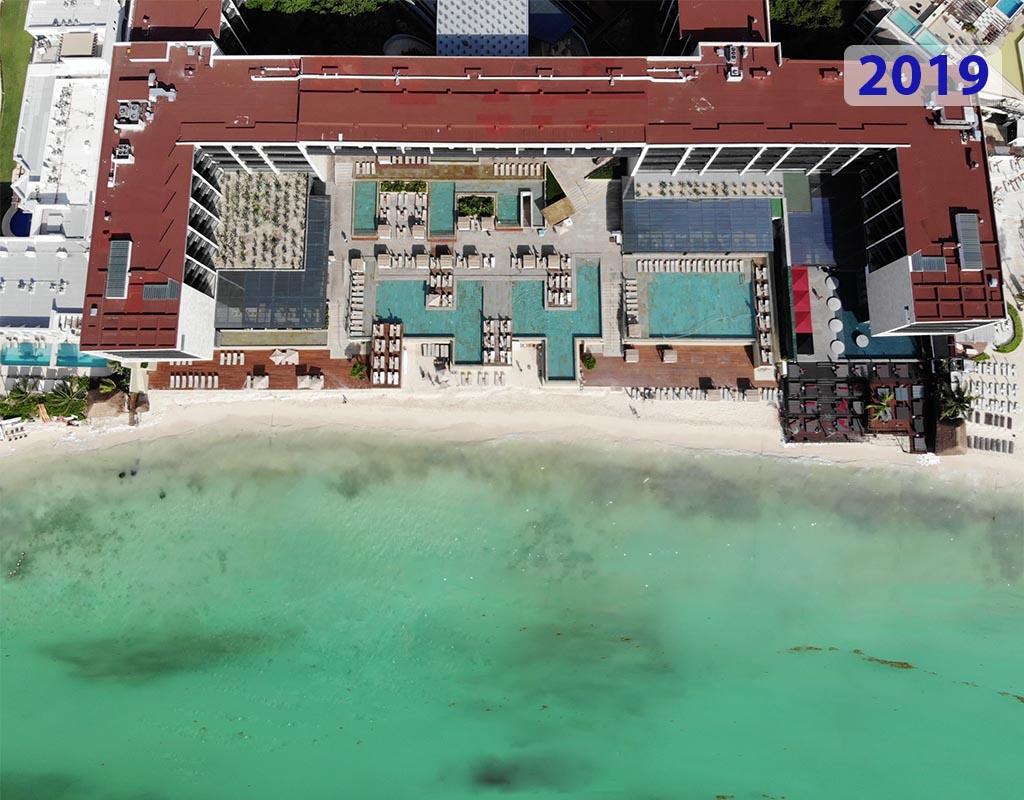
2019
Two years of beach loss in front of a Playa del Carmen resort. Hotels on this coast lost over 50 m of sand in places (images from ccell.eco)

"The beach was much smaller than in the photos. At high tide there was barely anywhere to put a towel."

Guest review, beachfront resort - example wording, to be replaced with a real anonymised review
Revenue at risk

What is your beach worth to you?

Your free check includes a simple estimate of the revenue tied to your beach, based on rooms, occupancy and rate.

Get your estimate
What changes with CCell

A wider beach, calmer water and a reef worth snorkelling

We place a designed reef offshore. It breaks the wave energy before it reaches your beach, so sand can settle and build up again.

  • More beachCalmer water behind the reef lets sand settle instead of washing away.
  • Safer swimmingSmaller waves at the shore mean a calmer swimming zone for guests.
  • Your sea view stays a sea viewThe reef sits at or below the waterline, so guests see a wider beach, not a structure.
  • A new guest experienceThe reef becomes home to fish and coral - a snorkel trail on your doorstep.
  • Watch it growRegular underwater surveys and photos let you, your team and your guests follow the reef as it comes to life.
Marine life on a CCell reef (CCell photo)
How it works for your resort

Start with evidence, not a sales pitch

Every project starts small. You only move to the next step when the evidence says it is worth it.

Step 1
Free

Beach Stability Check

How your shoreline has changed over the last 20 years, normal and storm wave heights, likely climate effects and a simple 1-5 concern rating.

Start your free check
Step 2

Detailed Beach Assessment

Adds seabed depth and shape and site modelling of waves, currents and tides. You get a clear recommendation: act, monitor, or recheck later.

See a sample report
Step 3

Reef design and permits

A reef designed for your exact frontage. We handle the licences and permits as part of this stage.

How we design reefs
Step 4

Install and monitor

Installed in your low season with light modular units, then monitored so you can see the beach and reef respond, typically within four to six months.

About monitoring
Reef units being placed, a unit in position, and rock growth being measured on a reef (CCell photos)
Results

Already working on resort coastlines

Two projects on Mexico's coast - one inside a resort, one protecting a public beach.

Royal Resorts, Cancun, Mexico

A living reef at the end of the resort pier

The resort wanted more marine life and an underwater experience for guests. CCell installed a reef at the end of its 80 m pier in October 2021, powered from the pier's existing supply through a CCell Sense power module. Within six months a bare steel frame had become a living structure.

200 mresort beachfront
6 monthsbare frame to living reef
~6 mmrock growth a month
Read the Royal Resorts story
Telchac Puerto, Yucatan, Mexico

Sand back on a beach that had been eroding for a decade

Working with the local municipality and Yucatan state government, CCell installed a 50 m reef 80 m offshore in three days. Sand built up behind the reef within weeks.

250 mof coastline protected
3 daysto install
3 weeksto first beach recovery
Read the Telchac story
What else the reef brings

More than a wider beach

Because we protect your beach with a reef rather than a wall, it keeps giving back once it is in the water.

A snorkel and dive siteAdd underwater sculptures and lighting to create a reef trail for guests.
Guest reef-buildingGuests attach their own small steel shape, which grows into the reef.
Staff who are proud of itAt Royal Resorts, staff and guests told us they were proud to be part of it.
Evidence for your brandSurvey photos and data for sustainability reporting, if you need it.

Illustration of a sculpture reef unit (CCell). Why we build reefs

Questions owners and GMs ask

The practical bits

What does a reef cost?

As a guide, a protection reef of 100 metres or more in 1.5 to 3 metres of water has typically cost US$1,000 to US$2,200 per metre, including survey, design, manufacture and installation. The Detailed Beach Assessment gives you a firm figure for your beach.

How long would our reef be?

As a rule of thumb, 80 to 110 percent of the length of beach you want to protect. Our modelling sets the exact length, depth and distance from shore.

Do we need permits?

Yes, and we handle them. Licences and permits are secured during the design stage.

Will guests see it?

Very little from the beach. The reef sits at or near the waterline and its ends are marked for safety. Guests who snorkel will see a reef full of life.

How long does installation take?

Days, not months, and planned for your low season so guests are barely aware of it. Our Telchac reef went in in three days with local teams.

Our beach is shared with neighbours. Can we still do this?

Yes. Neighbouring properties often share the cost and the benefit. We can help you bring them in.

What maintenance is needed?

Very little. Our control system flags any problem with an individual unit, and we look after inspections and repairs under a service contract.

Free Beach Stability Check

Find out how stable your beach really is

Tell us where your beach is. We will look at how it has changed, how exposed it is, and whether it is worth a closer look. No site visit needed.

  • 20 years of shoreline changeFrom satellite imagery of your frontage
  • Wave exposureNormal and storm wave heights at your beach
  • A clear 1-5 concern ratingWith a plain-English summary you can share with owners

Prefer to talk? Paul Savill, Head of Client Services
paul@ccell.eco  |  +44 (0)207 690 0485

Start your free check

What have you noticed? (optional)

We reply within two working days. No obligation, and we never share your details.