
Technology - Mar 2022
Reefs Vs. Waves
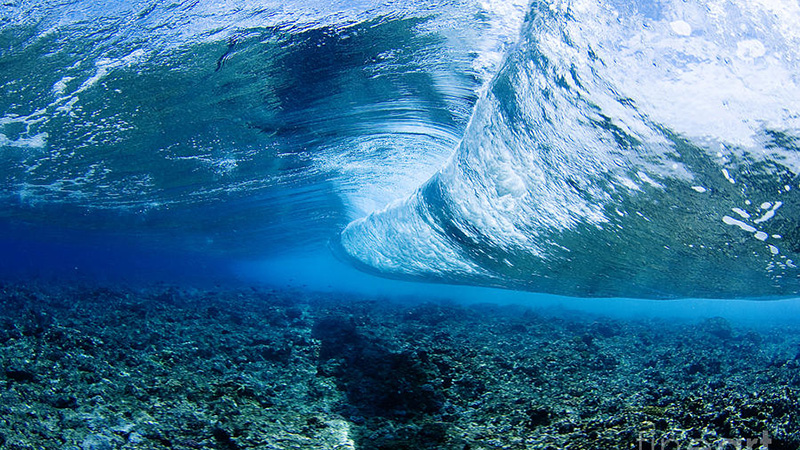
Reefs have been winning the battle against waves for millennia. How do they do it? And how can we, as engineers, replicate their success?
Read the post
We model how sand and storm waves reach your entrance and structures, then compare the options for cutting dredging and storm damage, including a reef that calms the water. Less dredging, less storm damage, more days open.
Sand moves into the channel and the entrance, and has to be taken out every season.
Pontoons, walls and moorings take a beating, and repairs disrupt berth holders.
Rough water at the entrance closes the port or stops boats going out.
Poor water quality puts off visitors and makes life harder for marine life around the berths.
The sediment and storm review starts with what you already spend. We use your dredging records and wave data to show where the sand comes from, and what the options could change.
We use your figures to compare the cost of carrying on with the cost of each option, including a reef.
Your dredging records and wave data, reviewed with ours, and a clear view of which options are worth pursuing.
Request a reviewWaves, currents and sediment around your entrance and structures, with the options tested, including a reef.
About our modellingWhere a reef is the answer, its layout is planned around navigation, berths and existing structures.
Installed in stages to avoid disruption, then we keep an eye on the reef as it grows.
At Royal Resorts in Cancun, CCell installed a reef at the end of an 80 m pier, powered from the existing supply. Within six months the bare steel frame had become a living reef, and it kept growing after the power was switched off. This shows habitat growth under a pier; your review tests the case for dredging and wave reduction.

Where a reef is the answer, it doesn't just calm the water. It brings the harbour to life.
Mussels growing on a CCell reef unit. Why we build reefs
Then the review will say so. It compares the options against your own records and wave data, and the modelling is useful whichever you choose.
The layout is designed around your channels, berths and safety zones, and tested in the model before anything is built.
Yes. Reef units are modular and installed in stages, so operations can carry on.
From mains or solar. At Royal Resorts the reef ran from the pier's existing supply through the reef's own power module.
Very little. Our control system flags any problem with an individual unit, and we look after inspections and repairs under a service contract.
Reefs have been winning the battle against waves for millennia. How do they do it? And how can we, as engineers, replicate their success?
Read the post

Nature-based coastal defence systems, including wetlands, reefs and kelp forests are the future of sustainable coastal protection.
Read the postSend us your location and what you know about dredging and storm damage. We will tell you what the options could save, including whether a reef is worth a closer look.
Paul Savill, Head of Client Services
paul@ccell.eco | +44 (0)207 690 0485