

Environment - Oct 2019
Sustainable Development Goals and CCell
How we and other compaines work towards a fairer more sustainable world using the UN Sustainable Development Goals.
Read the post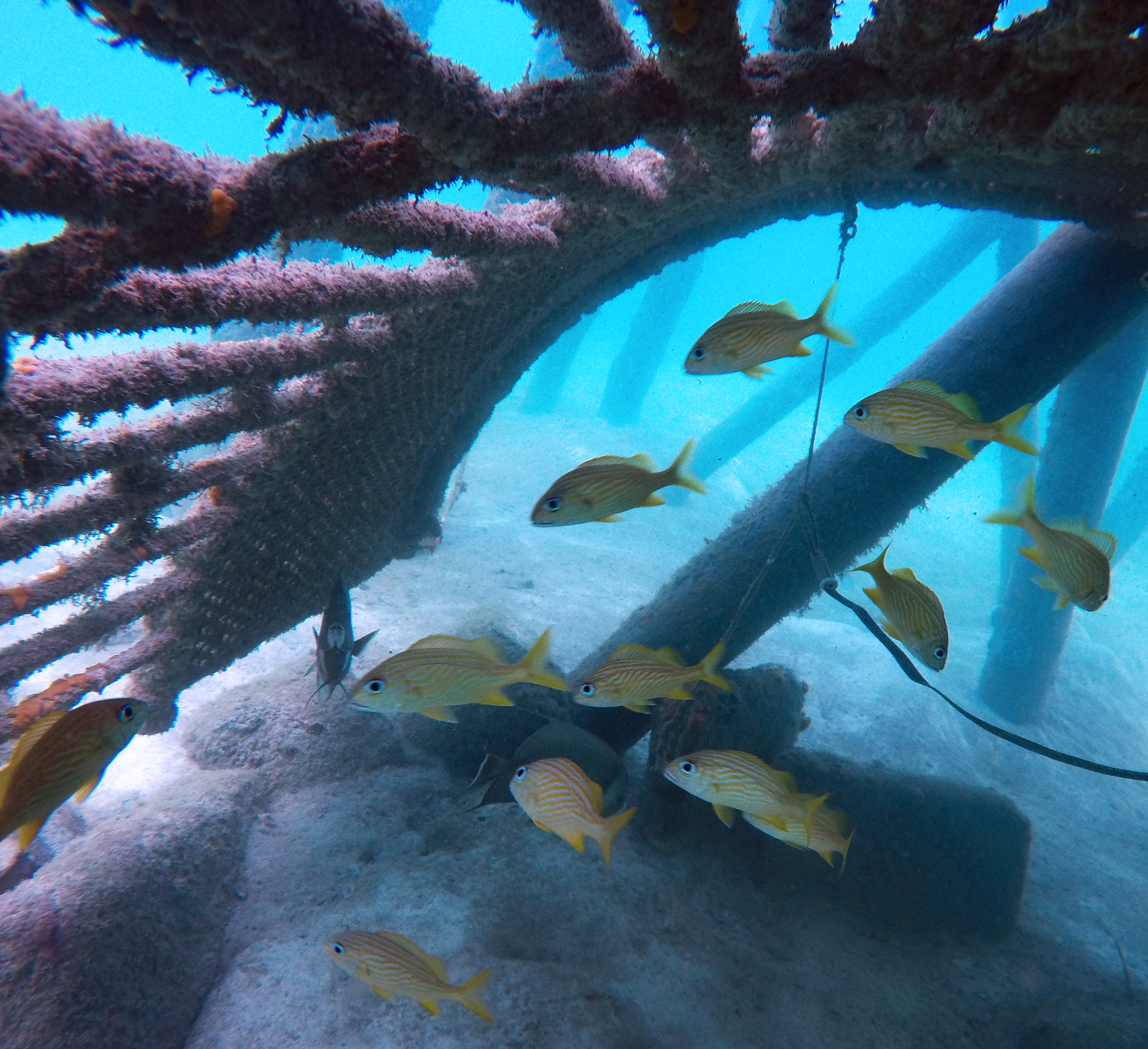
Every CCell reef protects a coastline and becomes a home for marine life. For you, that means a stronger case with regulators, a story your staff and guests are proud of, and survey photos and data for your sustainability reporting.
"To protect and regenerate coastline habitats by championing elegant, long-term solutions rooted in learning and understanding."
We don't only hold the line against the sea. We want every coast we work on to have more life on it than before we arrived.
Work with nature, not against it. One structure that calms waves, keeps the beach and builds habitat does the job of several.
Coasts change over decades, not five-year plans. We model the long term, and build reefs that grow stronger with time.
Coral reefs are some of the most important places in the ocean, and they are under more pressure than ever. When a coast needs protecting, we choose to build a reef rather than a wall, because the same structure that breaks the waves gives fish, corals and shellfish somewhere to live.

These photos follow one CCell reef under the pier at Royal Resorts, Cancun. A gentle electric current draws minerals out of the seawater to form natural rock on the frame. Marine life soon follows.
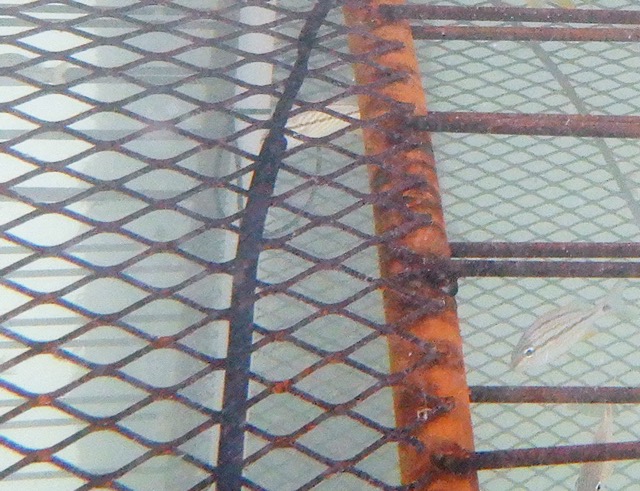 Installed
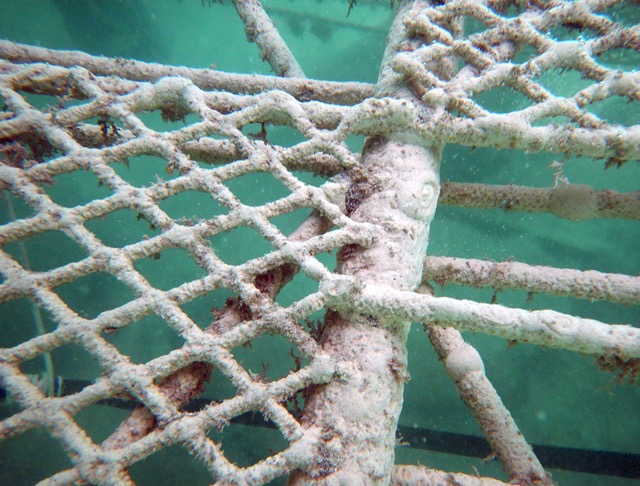 January 2022
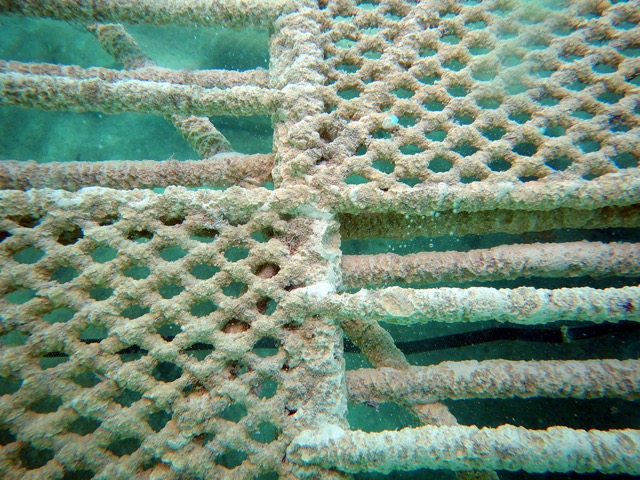 Early April 2022
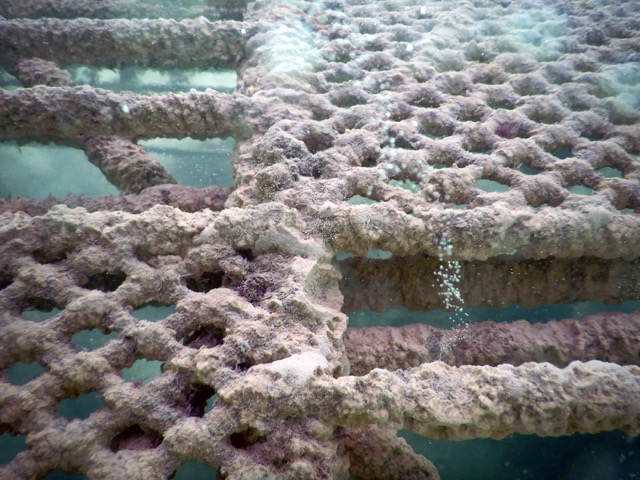 Late April 2022

Within six months the reef had become a living structure: shelter and feeding ground for fish, corals, molluscs and other reef life, in a spot that had little habitat before.
CCell designs, builds and runs its own monitoring system, CCell Sense, as part of our reef solutions. The same electronics that grow the reef also report on it, so you don't have to take our word that it is working - you can see the data for yourself.


You come to us to protect a coast. These benefits come built in with every reef.
Nature-based schemes that add habitat are increasingly favoured by regulators, which can make permits easier to win.
A real project your team can see, talk about and get involved in. Royal Resorts staff and guests told us they were proud to be part of it.
Guests and communities can see the difference between a reef and a concrete wall, and they choose places that care for the coast.
Over time your reef becomes a snorkel and dive site, with the option of underwater sculptures and guest reef-building sessions.
Survey photos and data from our own monitoring on habitat created and species recorded, ready for sustainability, biodiversity, ESG and SDG reports if you need it.
Concrete wears out over time. A reef gains rock, shelter and life every year it is in the water.
CCell reefs can carry underwater sculptures and lighting, turning coastal protection into a dive and snorkel trail. Guests can even help, by attaching small steel shapes that grow into the reef over time.

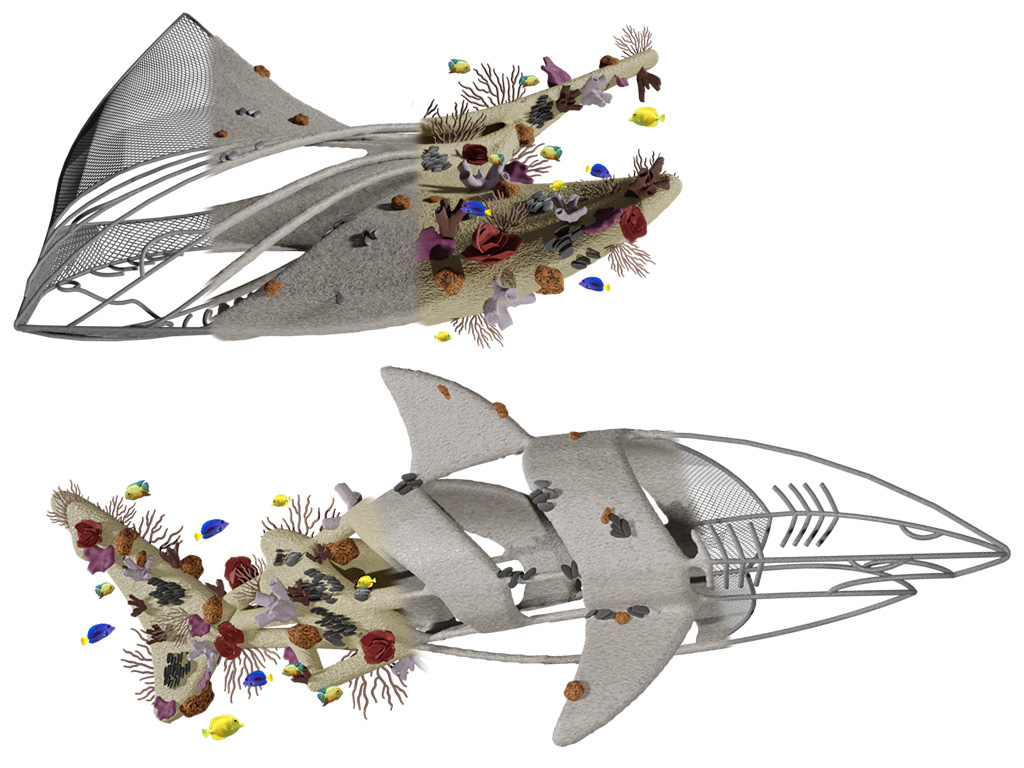


We are moving our reefs towards natural and bio-based materials such as bamboo, coconut coir and sisal fibre, with the rock that grows on them doing the long-term work.
We don't build reefs to tick boxes, but if you report against the UN Sustainable Development Goals, a CCell reef overlaps with these.
 Life below water
New reef habitat helps protect and restore marine and coastal ecosystems.Target 14.2
 Climate action
Coasts better able to withstand storms and rising seas.Target 13.1
 Sustainable cities and communities
Fewer losses from water-related disasters for coastal towns.Target 11.5
 Decent work and economic growth
Reef attractions and local build teams support sustainable tourism and jobs.Target 8.9
Targets: UN Department of Economic and Social Affairs. Icons: UN Sustainable Development Goals, used under the UN SDG guidelines. The content of this page has not been approved by the United Nations and does not reflect the views of the United Nations or its officials or Member States.
How we and other compaines work towards a fairer more sustainable world using the UN Sustainable Development Goals.
Read the post
Nature-based coastal defence systems, including wetlands, reefs and kelp forests are the future of sustainable coastal protection.
Read the post
What we do, as a company, to curb our carbon footprint.
Read the postEvery project starts with a free first step. We will show you what your coast needs, and what could live there.
Or email Paul Savill, Head of Client Services: paul@ccell.eco