
Technology - Mar 2022
CCell: How we grow reefs
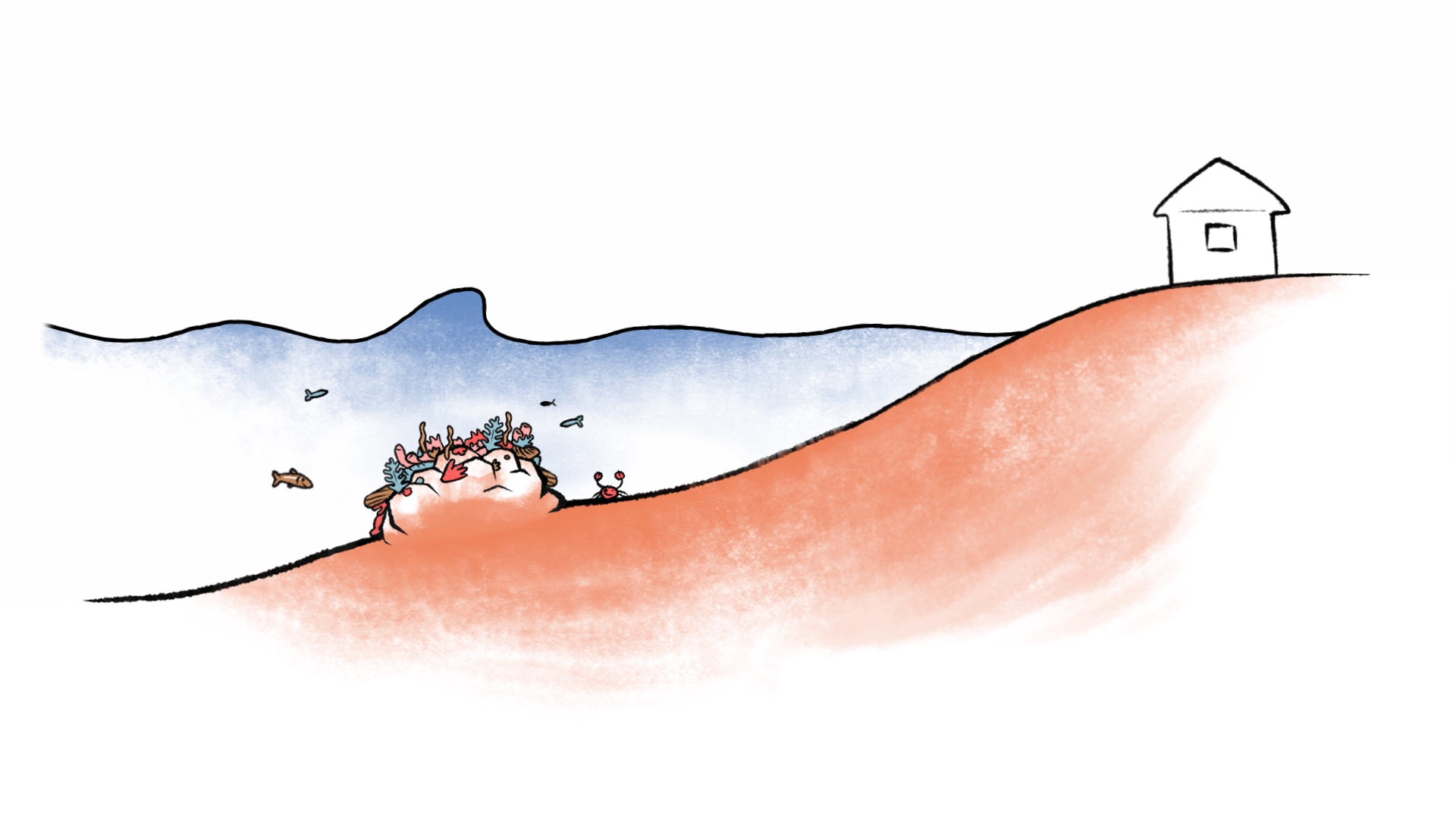
A simple explanation of our top two questions: "Why are you building reefs?" and "How do you do it?"
Read the post
One team from the first model to the last monitoring report, so nothing is lost between design and the water.
Nothing is copied from somewhere else. Each stage answers a question before the next one starts, and you only move on when the evidence says it is worth it.
A first look at your site, then detailed modelling of waves, currents and sand movement on your coast, using decades of ocean data and a survey of the seabed.
How we modelDifferent reef layouts are tested in the model. The structure is checked for storm loads, and local and bio-based materials are used where possible. We handle the permits.
Hyperboloid reefsModular units are made locally where we can, then assembled and installed with local teams using light equipment, with minimal disruption to the beach.
See our projectsCCell Sense, our own electronics and sensors, powers rock growth on the reef and tracks the reef, the beach and the marine life so you can see what is happening.
CCell SenseWe start with a detailed survey of the seabed, building a 3D model of the area with underwater photography of the marine life and the key features of the seabed.
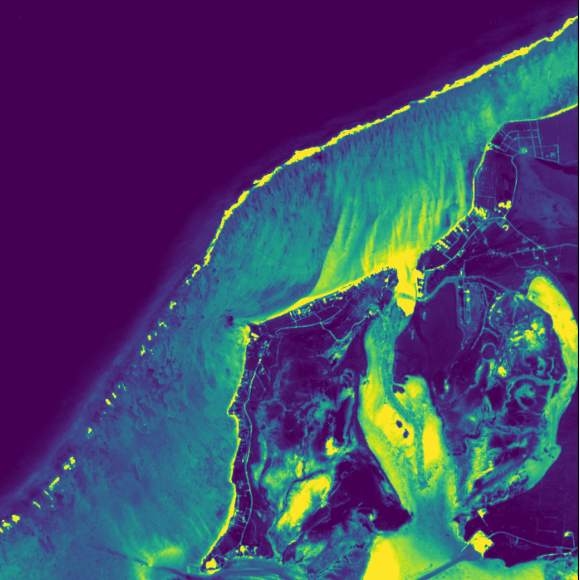


Within the model, different arrangements of reef are compared for their effect on waves, currents and the beach. The structure is then optimised to withstand short-term extreme loads from severe storms and hurricanes, and the longer-term loads once rock has formed across it.
Reef units are designed to be light and modular, so they can be fabricated locally and installed without heavy machinery. Local teams are trained to assemble and install them.


CCell Sense controls the mineral accretion that grows natural rock on the reef, and reports on the reef, the beach and the marine life. The reef is monitored remotely, and our control system flags any issue with an individual unit so it can be fixed quickly.
About CCell Sense
A simple explanation of our top two questions: "Why are you building reefs?" and "How do you do it?"
Read the post
Manufacture and installation of the CCell hyperboloid reef in the Yucatan, Mexico
Read the post
First full-scale CCell reef, Telchac Puerto, México
Read the postPick the first step that fits you. You only go further if the evidence says it is worth it.