

What has happened where we have worked
Real coasts, real results. Each story covers the problem, what we did and what changed. Filter by the kind of coast closest to yours.

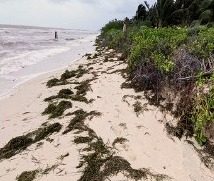 March 2021
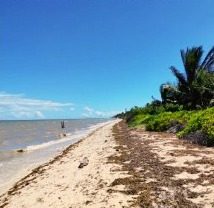 August 2022
Telchac Puerto, Mexico
The problem: a decade of sand loss, up to 5 m in a single year.
What we did: in 2021, with property owners, fishers and the mayor, we installed more than 50 reef units in a barrier about 150 m long in front of nine properties, controlled remotely from the UK. In 2024 we returned with the municipality and the Yucatan state government to install a 50 m hyperboloid reef 80 m offshore in three days.
What changed: the beach in front of the 2021 reef built back (photos, left), and sand began building up behind the 2024 reef within three weeks.

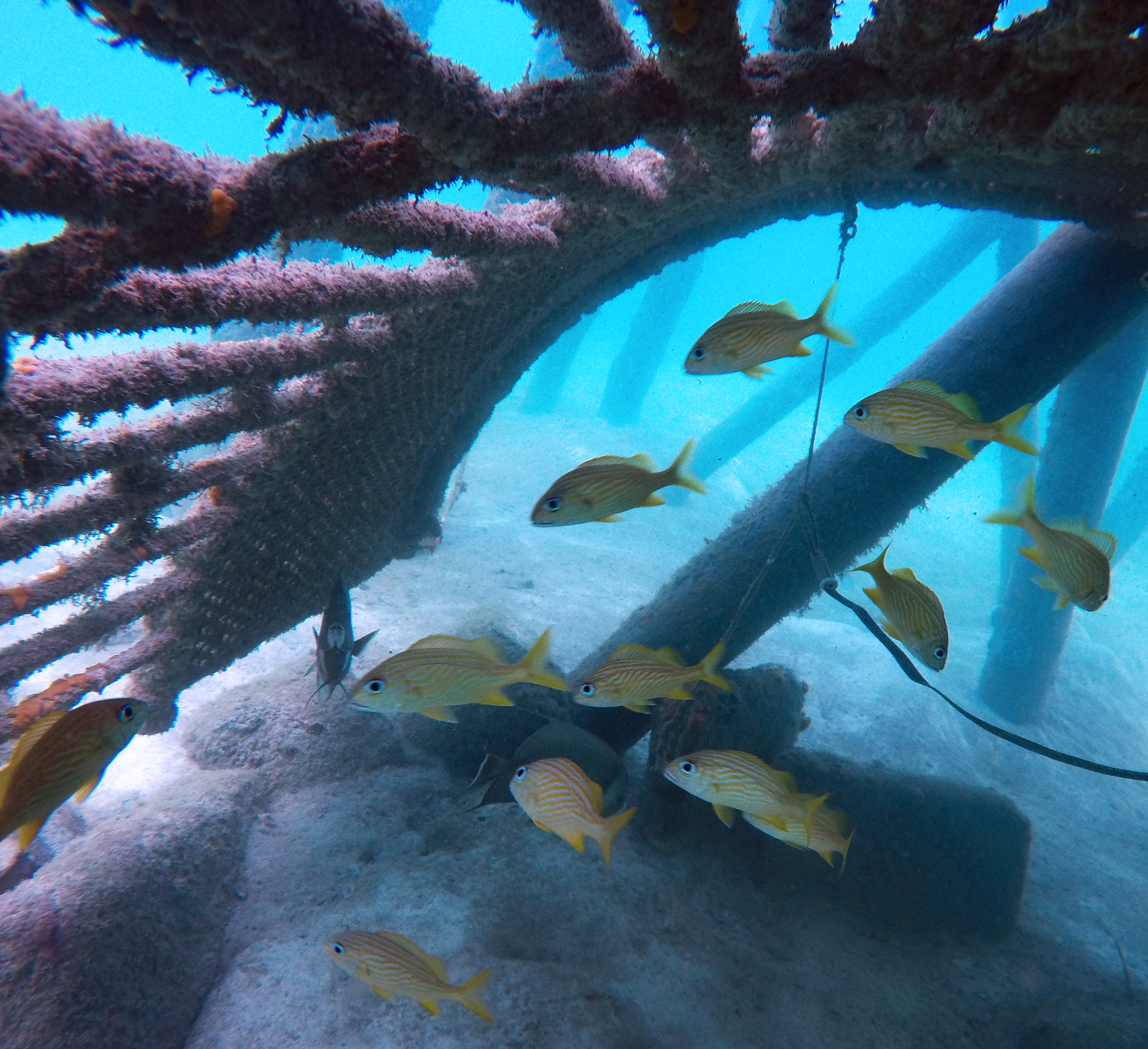
A living reef at the end of the pier
Problem: the resort wanted more marine life and an underwater experience for guests.
Changed: bare steel to living reef in six months, with growth continuing after the power was switched off.

An underwater museum built by the community
Problem: a new marine park needed attractions and a way to involve local people.
Changed: four sculptures designed by marine-school students, built by local welders and grown into reef with CCell's equipment.

Reused steel turned into reef
Problem: new steel adds cost and carbon to every reef.
Changed: reclaimed steel proven for reef units, with a solar-powered pilot at Exmouth Mussel.

Reefs grown on bamboo
Problem: electrochemical reefs have always needed steel.
Changed: with the University of Bath, coatings that let rock grow on bamboo, tested in the lab and at sea.

What Hurricane Matthew showed
Question: how much did offshore reefs protect the coast?
Found: around 95 percent of homes in Eight Mile Rock were damaged, and damage was concentrated where there was no offshore reef.
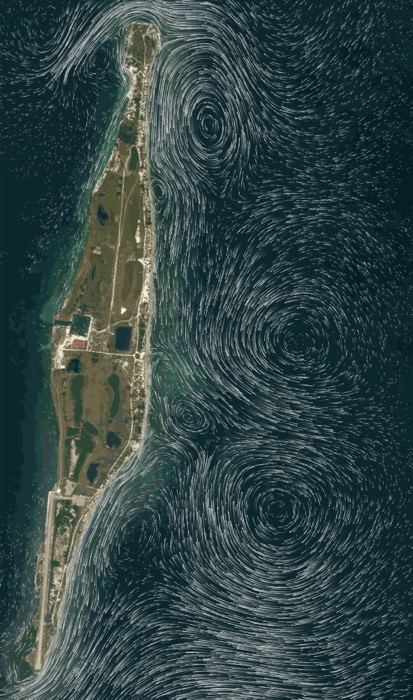
Waves and currents around an island
Question: how do waves and currents move around the island and its shoreline?
Did: coastal modelling of waves and currents around the whole island.
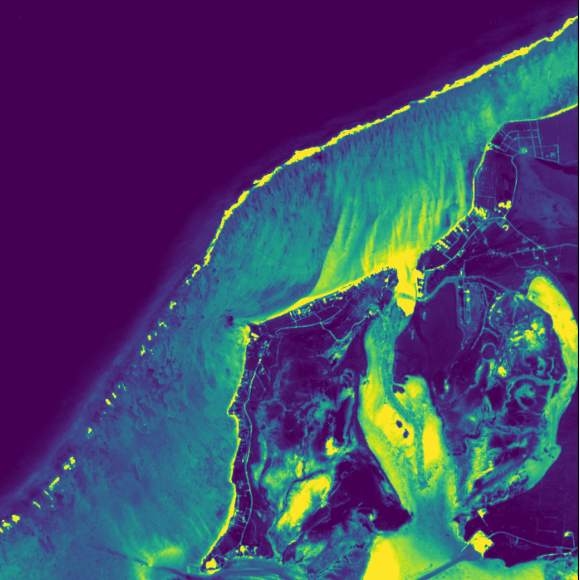
Seabed and site survey
Question: what does the seabed look like before any design starts?
Did: a bathymetric and site survey with our partners AxisIMA.
Numbers, with where they came from
The reef keeps giving
Whatever the reason for the project, each reef also becomes a home for marine life, and we track it with our own sensors and regular underwater surveys.
Start with a small first step
Every project on this page started with evidence. Find the first step for your coast.